Home Sellers
How do I get my Windsor home ready to sell?
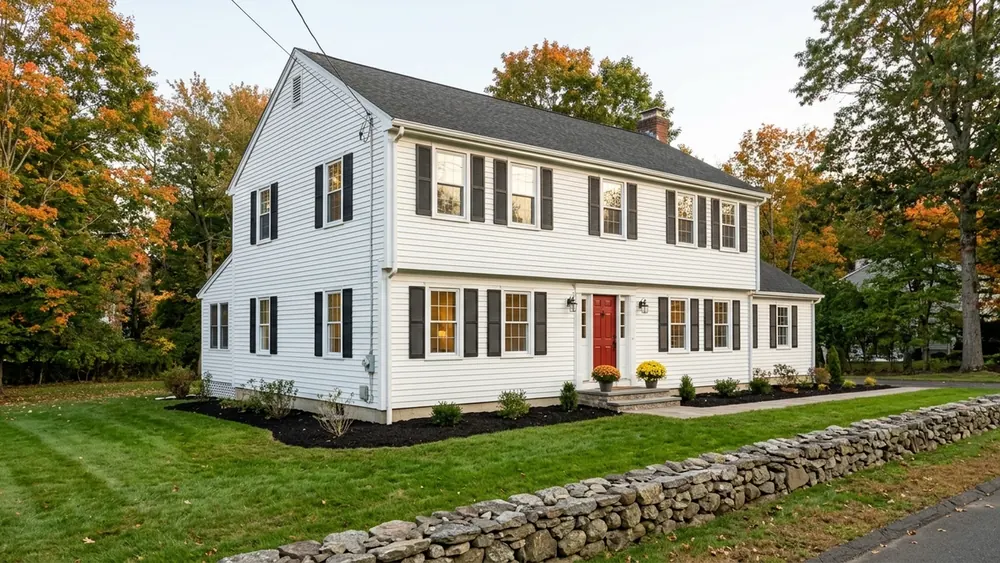
Getting a Windsor home ready to sell means gathering your paperwork, asking a licensed home inspector about condition, presenting the home clearly, taking disclosure questions to a qualified attorney and planning how showings will fit around your life.
On this page
Readiness is a plan, not a renovation
You get a Windsor home ready to sell by working through five areas in order: paperwork, condition, presentation, disclosure and showings. Each one has its own questions and its own right person to answer them. Treating preparation as a plan rather than a renovation project keeps you focused on what a buyer actually needs to see and understand. It also keeps you from spending time and money on work that may not matter to the people who walk through your door.
This matters because the stretch before a home goes on the market tends to fill up quickly. Sellers who start without a plan often find themselves fixing things in a rush, searching for documents during a negotiation, or rearranging their lives around showings they did not prepare for. A clear sequence turns a stressful stretch into a series of manageable tasks. Whether your home is in Windsor, Bloomfield or elsewhere in Greater Hartford, the same order of work applies.
Cindy Warner starts every sale with the same question: what problem is this move solving for you? A seller who needs to relocate on a set schedule prepares differently from one who is moving to a smaller home whenever the right one appears. Name the problem first, weigh the options for each part of preparation, then build a plan that fits your calendar. The sections below walk through each part of getting ready and who to ask about it.
Paperwork to gather before anything else
Paperwork is the least visible part of getting ready and one of the most useful. Buyers, their lenders and their attorneys will have questions, and answering them quickly keeps a sale moving instead of stalling. Start a single folder, paper or digital, and collect what you already have on hand. If something is missing, write it down rather than guessing, and ask the right office or professional how to find it before the home is listed.
- Your deed and the closing documents from when you bought the home
- Receipts and records for repairs, replacements and improvements you have made
- Any permits or approvals for past work, checked with the Town of Windsor
- Recent utility, service and maintenance records that show how the home runs
Condition questions for a licensed home inspector
Condition is where many sellers guess, and guessing can lead to surprises once a buyer’s inspection begins. Some sellers choose to hire a licensed home inspector before listing so they understand the home’s condition on their own terms. Whether that makes sense for you is a decision to talk through, but the questions below are worth asking either way. The goal is information, not a belief that any particular repair will change how buyers respond.
- Which items look like system concerns rather than ordinary cosmetic wear
- What the roof, heating, plumbing and electrical systems show on a close look
- Whether any signs of moisture or past water problems deserve a closer review
- Which repairs you might address now and which you might disclose instead
- What a buyer’s inspector may ask about, so fewer questions catch you off guard
Presenting the home clearly to buyers
Presentation is about helping a buyer understand the home, not about disguising anything. Clear rooms, good light and a clean, uncluttered space let people see the layout and picture how they would use it. Start by removing what you will not need before the move: extra furniture, stored items and personal collections. Packing early does double duty, since you will be moving those things anyway, and it makes the rooms easier to read.
Cindy can walk through the home with you and note where a buyer might have trouble reading a space, such as a room whose purpose is unclear or a hallway crowded with furniture. Some sellers bring in light staging and some simply rearrange what they own. Neither choice guarantees a particular result, so treat presentation as a way to make the home easier to understand rather than as a way to change what it is worth.
The outside matters too. The approach to the front door, the yard and the entry are the first things a buyer sees in person and in photos. Simple upkeep, like clearing walkways, tidying planting beds and making sure exterior lights work, helps the home present as cared for. Make a short list, work through it in order, and resist the urge to start large projects right before listing without talking them through first. If a project feels necessary, ask a licensed home inspector or a contractor what it involves before you commit to it.
Disclosure questions to take to an attorney
Disclosure is an area where sellers should not rely on general advice, including this article. What a seller needs to share, and how it is shared, depends on the state and on the specific home. Cindy holds real estate licenses in Connecticut and Massachusetts and can explain where disclosure fits in the timeline of a sale, but the legal questions belong with a qualified attorney. Ask early, before the home is listed, so the answers can shape your preparation.
Write down anything you know about the home that a buyer might want to understand: past repairs, known issues, work done without a permit, or anything you are unsure about. Bring that list to your attorney and ask how each item should be handled. If you are selling a home you inherited or did not live in day to day, mention that too, since what you know may be limited. Tax questions about the sale belong with a tax professional.
Fix what you can, disclose what you should, and write down everything in between. I want you walking into the sale knowing your home as well as any buyer will.
Planning showings around your daily life
Showings are where preparation meets real life. Before the home goes on the market, decide how much notice you need, which times of day work, and where you will go while buyers tour. If you have pets or work from home, build that into the plan now. Homes in Windsor can move quickly, so being ready to say yes to a showing often matters more than having every room look perfect every single day.
A simple routine helps: a short checklist for the last few minutes before you leave, a spot to store everyday items out of sight, and a plan for valuables and medications. Ask Cindy how feedback from showings will reach you and how often you will talk it through together. Hearing what buyers notice, good and bad, lets you adjust calmly rather than guess at what is happening while the home is on the market. If the same comment comes up more than once, that is worth a conversation.
What to bring to a first conversation
Before a first conversation with Cindy, write down the problem your sale needs to solve. Maybe you are moving closer to family, moving to a different kind of home, or relocating for work. Note your ideal timing and any date you cannot move past, and whether you also plan to buy in Windsor, Bloomfield or another Greater Hartford town. That context shapes every other decision in the preparation plan, from repairs to showings.
Bring the folder you started, your notes from any inspection, and your list of disclosure questions, even if your attorney has not answered them yet. Add a list of the repairs and projects you are considering, with a short note on why each one is on the list. None of this needs to be finished. A rough version gives you and Cindy enough to sort tasks into what to do now, what to ask about and what to leave alone.
When you are ready, bring the problem to Cindy Warner and talk through a preparation plan for your home. There is no pressure to list or decide anything in that first conversation. The goal is that you leave knowing your next step, who to call for each open question, and how the stretch before listing will unfold. From there, getting your home ready becomes a set of clear tasks instead of a cloud of worry.
This article is general information about buying, selling and owning homes in Windsor and Greater Hartford. It is not legal, tax, lending, foreclosure or inspection advice and does not predict prices or promise results. Confirm town plans with the Town of Windsor, financing with a licensed lender, mortgage payment problems with your loan servicer and a HUD-approved housing counselor, and legal and tax questions with a qualified attorney or tax professional. Cindy Warner, eXp Realty.

Written by